5050 Quorum Dr Suite 700, Dallas, TX 75254
  Open 24 Hours




What Actually Happens During a Tune-Up
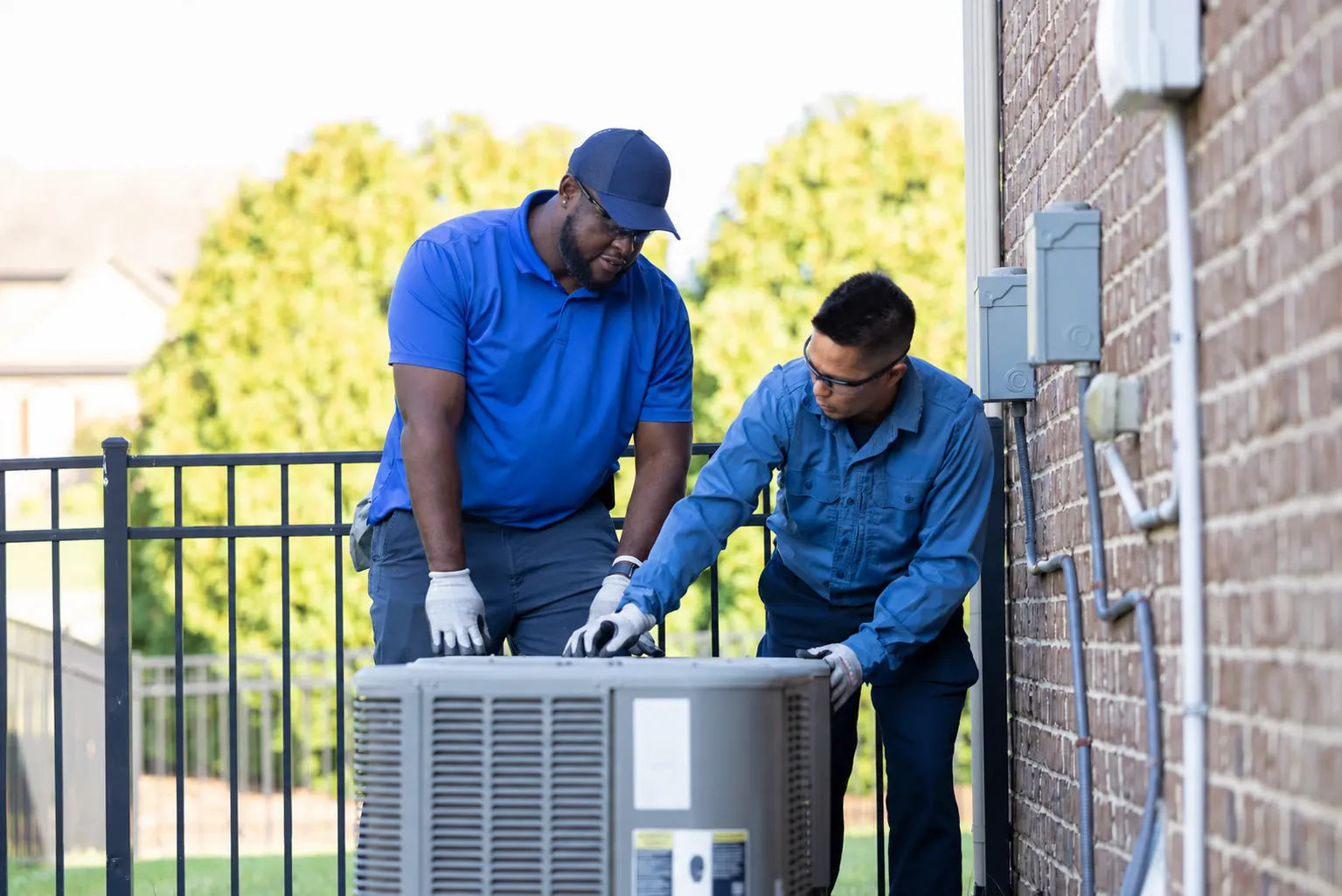
“HVAC maintenance” can mean different things from different companies. Here’s what a thorough tune-up should cover:
Refrigerant check. Low refrigerant is one of the most common efficiency killers. It also causes the compressor to run hotter and harder than designed — shortening compressor life. Refrigerant doesn’t evaporate under normal conditions, so low refrigerant means there’s a leak that needs finding and fixing.
Coil inspection and cleaning. The evaporator coil (inside) and condenser coil (outside) both need to be clean to transfer heat efficiently. A dirty condenser coil in the summer means the outdoor unit can’t shed heat — your system works harder and your energy bill climbs. A dirty evaporator coil eventually freezes. Both are checked and cleaned as part of a proper tune-up.
Capacitor testing. Capacitors are among the most common failure points in Dallas — heat and power fluctuations are hard on them. A capacitor that tests low in April is a likely failure candidate in August. Replacing a marginal capacitor during a maintenance visit costs $80–$150. The same problem as an emergency call in July costs $200–$350 plus whatever premium applies for after-hours or peak-season demand.
Electrical connections and components. Loose electrical connections, worn contactor points, and weakening motor windings all contribute to failures. Visual and functional inspection during maintenance catches these before they cause a shutdown.
Condensate drain line. Your AC removes humidity from the air and that moisture drains through the condensate line. A blocked line backs up into the drain pan and eventually onto your ceiling or floor. Clearing the drain line is a two-minute maintenance step that prevents real water damage.
Airflow measurement. A technician checks that the system is moving the right volume of air — which involves verifying the blower motor, checking for duct restrictions, and confirming the filter isn’t restricting flow.
Thermostat calibration. If your thermostat reads 72°F when the actual room temperature is 74°F, your system runs longer than it needs to. Calibration is a quick check.
The Real Reason to Schedule in Spring
In Dallas, the most important maintenance visit is in spring — before the cooling season starts. Here’s why: your system has been mostly idle since October. During that idle period, dust and debris settle into the coil fins, drainage lines can develop algae, and components that were marginal last fall have now gone six months without being checked.
A spring tune-up in April or early May means your system is inspected, cleaned, and verified before it faces 100°F+ outdoor temperatures and 12-hour daily runtimes. That’s when stress reveals weaknesses. Better to find them in April than July.
What Maintenance Won’t Do
One honest note: maintenance doesn’t prevent all failures. HVAC components have finite lifespans. A capacitor that was fine in October can fail in July — not because the maintenance was inadequate, but because components fail. What maintenance does is reduce the frequency of failures, extend component life by keeping the system operating within its design parameters, and catch problems early enough that you have options (scheduled repair) rather than no options (emergency same-day call on a 103°F afternoon).