5050 Quorum Dr Suite 700, Dallas, TX 75254
  Open 24 Hours




Why This Matters Before You Buy
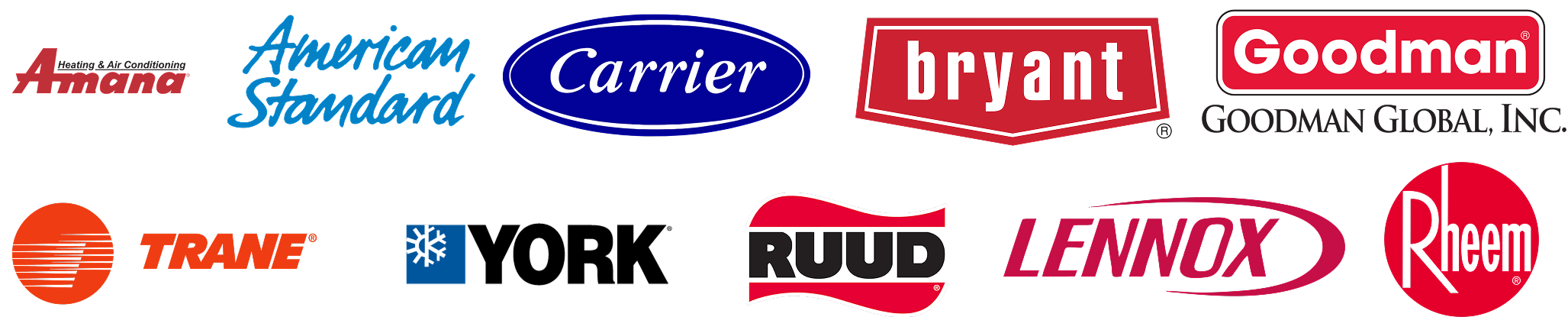
Walk into any HVAC showroom or browse contractor quotes and you’ll encounter a dozen brand names. What most homeowners don’t realize is that many of those names are owned by the same parent companies — sometimes built on the same assembly lines with different labels and cosmetic trim.
This isn’t deceptive marketing. It’s industrial consolidation, and it’s been the reality in the HVAC industry for decades. Knowing who owns what helps you make smarter comparisons — because “Trane vs. American Standard” is a fundamentally different question than “Carrier vs. Trane.”
The HVAC Brand Ownership Map
Carrier Global Corporation
Brands: Carrier, Bryant, Arcoaire, Comfortmaker, Day & Night, Heil, Payne, Tempstar
Carrier is the company Willis Carrier founded in 1915, built on his 1902 invention of modern air conditioning. Carrier Global is one of the three largest HVAC manufacturers in the world. Bryant is Carrier’s primary secondary brand — the two share engineering platforms and are built in the same facilities. The regional brands (Arcoaire, Heil, Payne, etc.) are typically the same equipment sold through different distribution channels.
What this means for buyers: A Bryant unit and a Carrier unit at the same efficiency tier are functionally equivalent. The brand on the label reflects the distribution channel, not a different product.
Trane Technologies
Brands: Trane, American Standard, Oxbox, RunTru
Trane Technologies produces both Trane and American Standard — two brands that have historically been built on the same manufacturing line with the same internal components. Until relatively recently, the only differences were the exterior color, the label, and a weather cover added to Trane models. Today there are modest differences in product lineup positioning, but the engineering foundation remains essentially identical.
What this means for buyers: If you’re comparing Trane and American Standard, you’re largely comparing price and dealer preference, not fundamentally different systems.
Daikin Industries
Brands: Daikin, Goodman, Amana
Daikin is a Japanese company founded in 1924 and is now the world’s largest HVAC manufacturer by volume. They acquired Goodman Manufacturing in 2012. Goodman and Amana are built in the same U.S. facilities and share engineering platforms — Amana is Goodman’s premium-positioned brand.
What this means for buyers: Goodman is a value-tier brand with a legitimate manufacturing base and nationwide parts network. It’s not a premium brand, but it’s not the risk it might have been before Daikin’s ownership. Amana occupies a similar space at a slightly higher price point.
Rheem Manufacturing
Brands: Rheem, Ruud
Rheem and Ruud are essentially the same products sold under different labels through different distribution channels — similar to Carrier/Bryant and Trane/American Standard. Rheem is sold through retail channels; Ruud is sold through contractor channels. The equipment is the same.
What this means for buyers: A Rheem and a Ruud at the same model tier are the same product. Shop on price and installer, not on which label you prefer.
Lennox International
Brands: Lennox, Dave Lennox Signature
Lennox makes its own systems without the same type of secondary-brand structure as Carrier or Trane. The Lennox brand covers entry-level through premium tiers, with the Dave Lennox Signature Collection at the top of their lineup. Lennox is a strong brand with a good reliability reputation and a premium market position.
York (Johnson Controls)
Brands: York, Coleman, Luxaire
York is owned by Johnson Controls. Coleman and Luxaire are secondary brands built on York’s engineering platform, sold through different dealer networks.
The Practical Takeaway
When you’re getting quotes for a new AC system, you may see unfamiliar brand names — Arcoaire, Heil, Comfortmaker, RunTru, Ruud. These aren’t small or unknown manufacturers. They’re the same major engineering platforms sold under different names to different distribution channels.
A few things that matter more than the brand name:
The efficiency tier. A 16 SEER2 Carrier and a 16 SEER2 Goodman will produce similar operating costs. The Carrier will likely last longer and have better parts availability, but the efficiency difference is in the equipment tier, not the brand.
The installation. A premium brand improperly sized or installed will underperform a mid-tier brand installed correctly. Manual J load calculations, proper refrigerant charge, and correct ductwork sizing matter more than which label is on the condenser.
Parts availability. When your system needs repair in July, parts availability matters. Carrier, Trane/American Standard, and Lennox have the strongest DFW distribution networks. Goodman/Amana parts are also widely available given Daikin’s national footprint.