5050 Quorum Dr Suite 700, Dallas, TX 75254
  Open 24 Hours



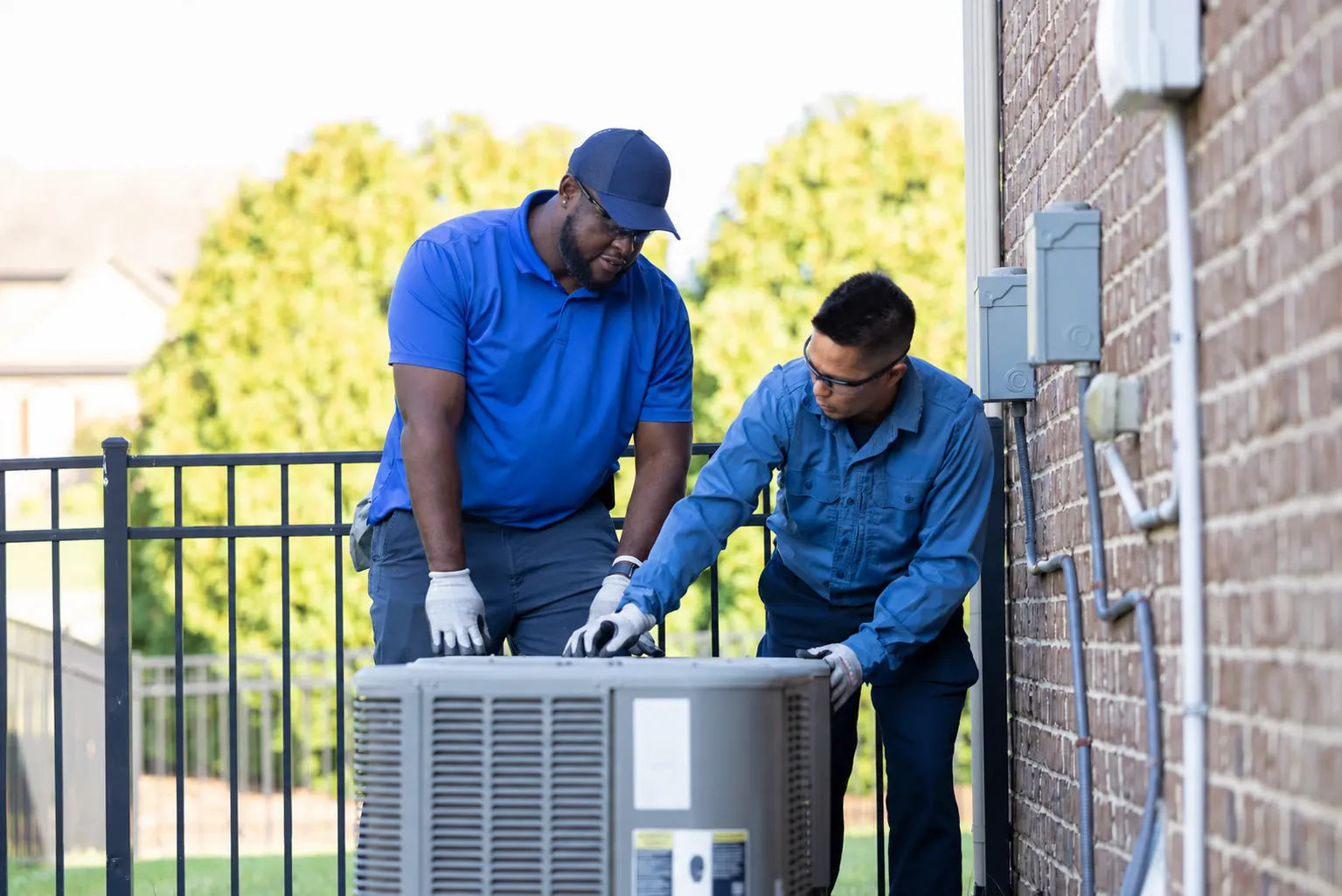
When temperatures drop fast, a furnace that won’t start or short-cycles is a real problem. A furnace that sat idle since March faces its first real demand on a very cold night rather than a gradual warm-up — which is exactly when failures show up. We service all heating system types and respond around the clock.
Heating Issues We Diagnose
- Furnace won’t start — failed igniter, dirty flame sensor, or gas valve issues.
- Short cycling — turning on and off every few minutes, often from a clogged filter, dirty flame sensor, or an oversized furnace.
- Blowing cold air — flame sensor, ignition, or thermostat problems.
- Cracked heat exchanger — a carbon monoxide safety risk that needs immediate attention.
- Heat pump faults — defrost control, reversing valve, or refrigerant issues.
Safety First on Every Heating Call
A cracked heat exchanger can allow combustion gases into the air that circulates through your home. If short cycling is accompanied by strange odors, soot near the unit, or anyone experiencing headaches or nausea, shut the furnace off and call immediately. Our technicians inspect the heat exchanger and run combustion analysis as part of furnace service.
Pre-Season Inspections
The technicians we send on cold-snap emergency calls frequently find furnaces that would have been fine with a tune-up in October. A fall inspection — igniter, flame sensor, gas pressure, heat exchanger, and flue — catches these issues before you need heat on a 25°F night.