5050 Quorum Dr Suite 700, Dallas, TX 75254
  Open 24 Hours




Why does my furnace always fail on the first cold night?
It doesn't fail then. It failed in April, quietly, and nobody asked it to prove otherwise until the first freeze. A Dallas furnace sits idle for seven or eight months, collecting dust, while attic heat bakes its components all summer. Then a cold front rolls through, half the city hits the thermostat the same evening, and every weak ignitor, tired blower, and drifting safety control shows up at once. That's also the week the phone rings hardest and schedules get longest. The point of a fall tune-up is simply moving that discovery to a September afternoon, on your terms.
What do you actually check?
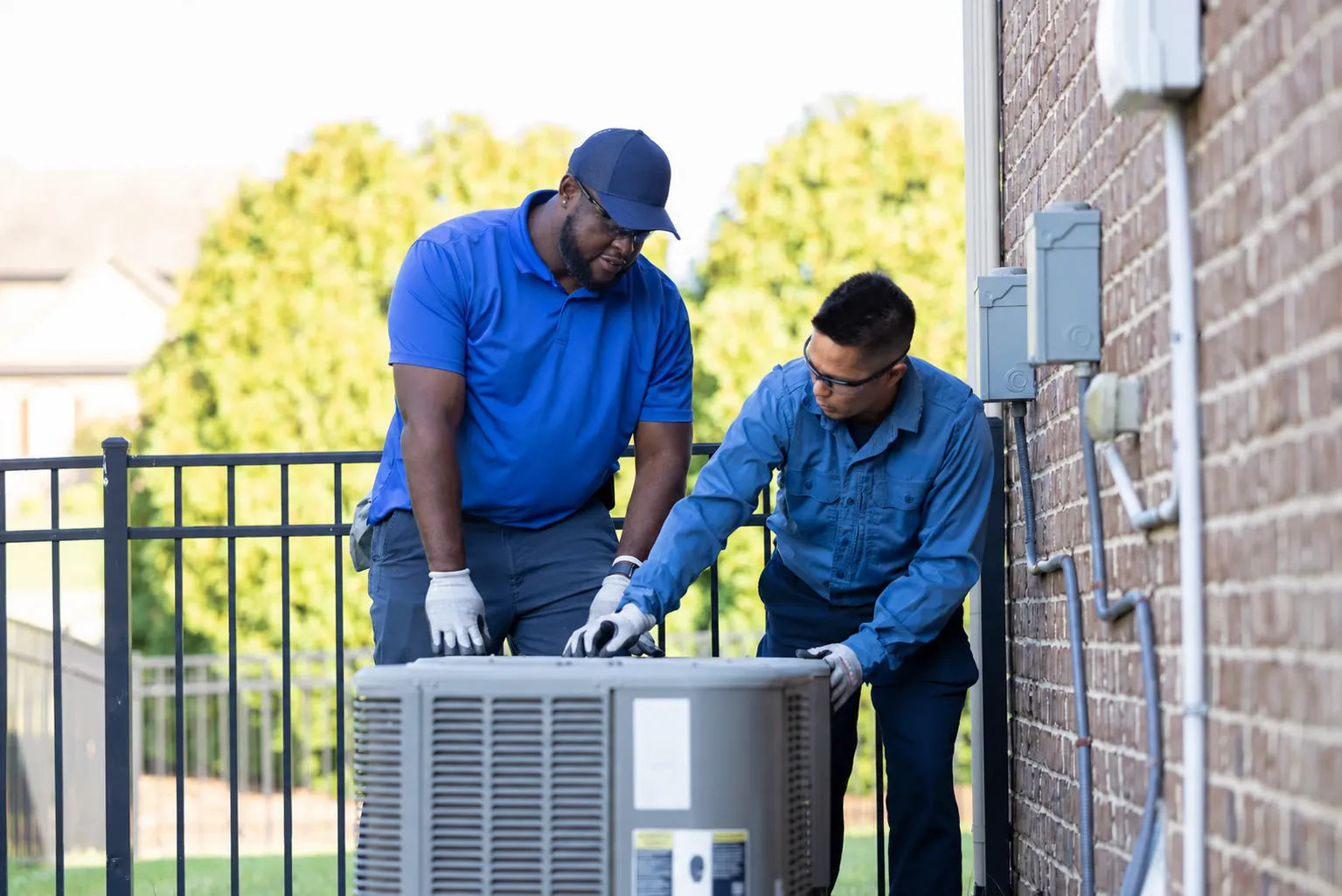
A real tune-up is an inspection with instruments, not a glance and a sticker. A NATE-certified technician inspects the heat exchanger, tests the burners and ignition system, checks gas connections and pressures, verifies the safety controls actually trip when they should, measures airflow, checks the blower, handles the filter, and runs the system through a complete heating cycle while watching how it behaves. Combustion testing covers the carbon monoxide question directly. You get a plain-English rundown of what we found, what's fine, and what's worth watching or fixing, with a fixed price in writing for anything that needs work — the same process behind every heating repair we run. You approve it before we do it.
Is this a safety thing or a comfort thing?
Both, but safety is the part that matters most in a gas-heated home. A furnace burns fuel inside your house, and the components that keep that safe, the heat exchanger, the venting, the safety switches, are exactly the ones that age invisibly. Dallas homes are also sealed tight against summer heat, which means less accidental ventilation if something's wrong. This is why combustion and CO testing aren't an add-on in our tune-up, they're the point, and why we recommend working CO detectors in every gas-heated home regardless of who services it.
What does a tune-up save me?
Start with the emergency repair you didn't have in January, at January prices and January wait times. Then the efficiency you get back when burners are clean and airflow is right, which your first winter bill reflects. And finally, scheduling leverage: a problem found in October gets fixed on your calendar at your convenience, while the same problem in the first freeze gets fixed whenever a truck can reach you. Our maintenance plan covers both the fall heating visit and the spring cooling visit, which is the simplest way to never think about this timing again.
The Dallas-specific part
Our winters are mild until suddenly they're not, and the not is exactly when a marginal furnace quits. The February 2021 freeze taught every homeowner in this city what a real cold snap does to housing systems that weren't ready. A furnace checked in the fall is one less thing on that list. If you're weighing a heat pump instead of another furnace repair season, see our heat pump guide for the honest tradeoffs.